We are a Canadian Generator Manufacturing Company located in Ontario. We manufacture, retail and distribute generators in Canada, for the Canadian, US, Caribbean and to off-shore markets.
Our products are UL, C UL, CSA and/or ESA (Electrical Safety Authority) approved.
We have prime rated generators available not only for power critical facilities (mining and forestry applications) but also to power lodges, hotels, camps and cottages, resorts and homes depending either totally on generators for their principal power or for backup.
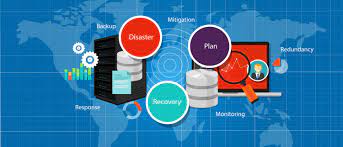
Our backup generators can be configured for extremely critical electrical power requirements. Propane (LPG), Natural gas emergency power generators and diesel generators provide emergency standby power backup for server rooms and datacenter backup.
Economical commercial and residential backup generators for emergency power can be configured with standby generator transfer switches to start automatically. Residential and commercial standby packages configured with sound attenuated backup generators powered by propane LPG and natural gas fuel are available from 7kW to 750kW.
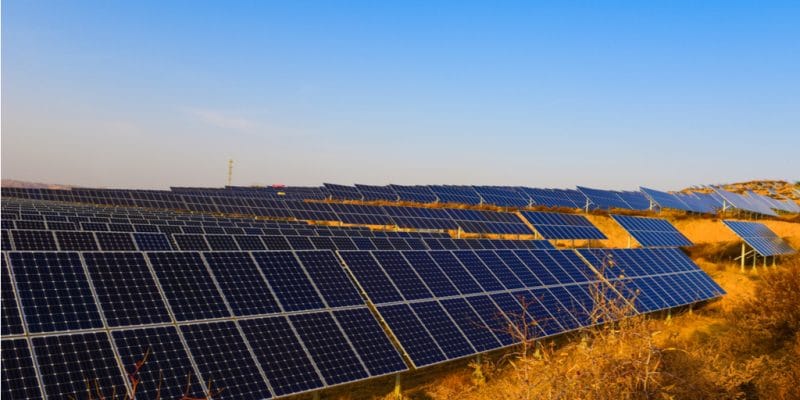
Offgrid power backup for solar energy and wind power generator electric systems is available. We can configure automatic start diesel and propane fuelled generators to work with inverters which have automatic generator switching.
In response to questions from our customers we have recently added information regarding diesel fuels, e.g. diesel vs. heating fuel and biodiesel, to our web pages. We hope this additional information will provide you with information to help you make your informed decision.
We have financing available for home ,cottage, business and municipal generator systems and are able to offer leasing options in both Canada and the US.